Healthcare Fitouts Sydney
Why are healthcare fitouts more complex than standard commercial fitouts?
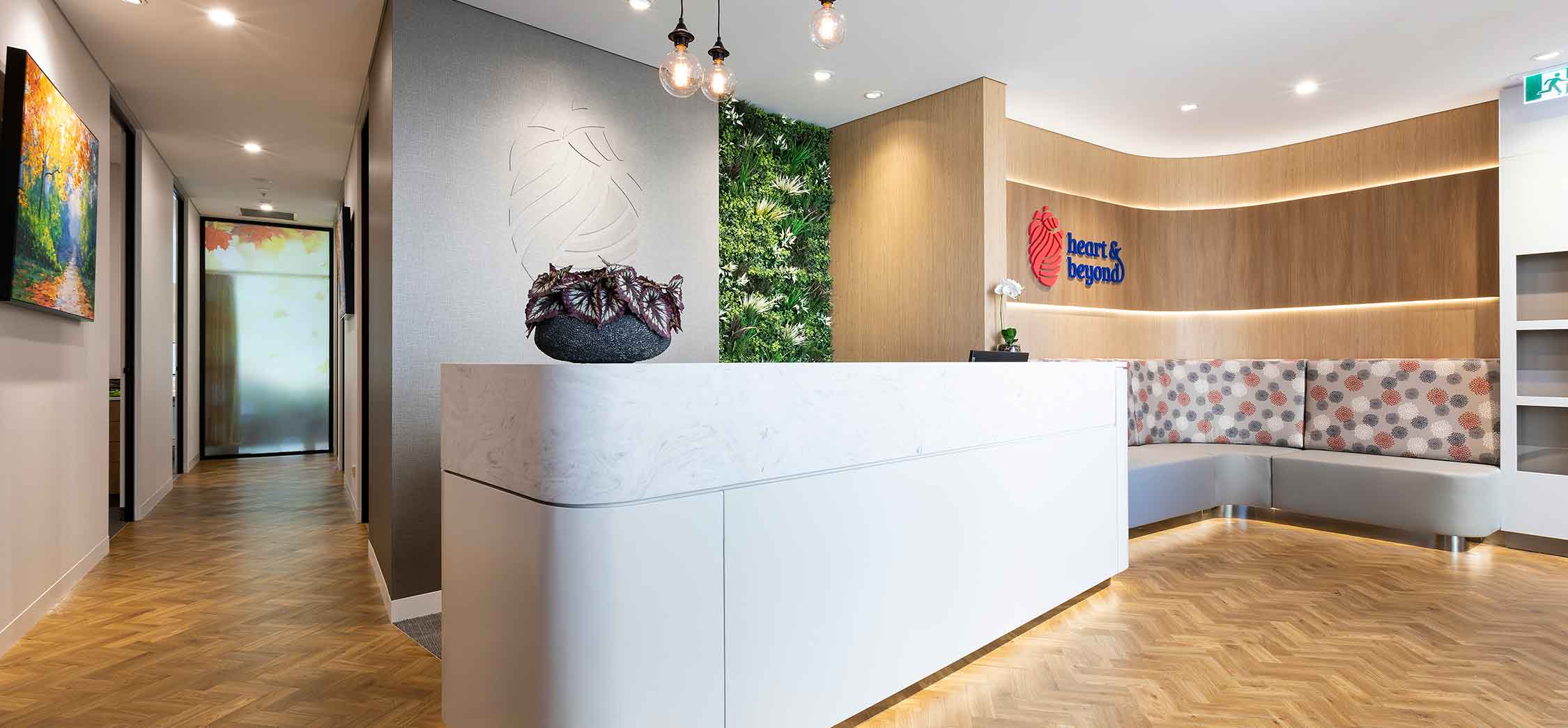
Healthcare fitouts require careful planning, compliance and patient-focused design.
Medical clinics, specialist suites and healthcare environments must balance:
- compliance requirements
- patient flow
- staff efficiency
- infection control
- accessibility
- patient privacy
- future growth
- operational functionality
A successful healthcare fitout supports both the patient experience and the day-to-day workflow of healthcare professionals.
Whether you are planning a new medical clinic, refurbishing an existing practice or expanding into a larger healthcare facility, early planning helps reduce disruption, improve functionality and avoid costly changes later in the project.
Healthcare Fitouts Have Unique Clinical and Operational Requirements
Unlike standard office fitouts, healthcare environments must support clinical operations, patient care, compliance requirements and specialised medical infrastructure.
Healthcare fitouts often require:
- healthcare-specific compliance
- infection control measures
- acoustic privacy
- accessibility compliance
- specialist treatment rooms
- healthcare-grade finishes
- efficient patient circulation
- additional plumbing and medical services
Different healthcare sectors also have unique operational requirements.
For example:
- GP clinics often prioritise reception workflow and consultation room efficiency
- Dental clinics require specialised services, sterilisation planning and equipment integration
- Allied health clinics typically focus on flexibility, accessibility and patient comfort
- Specialist suites may require enhanced privacy, treatment areas and specialist medical infrastructure
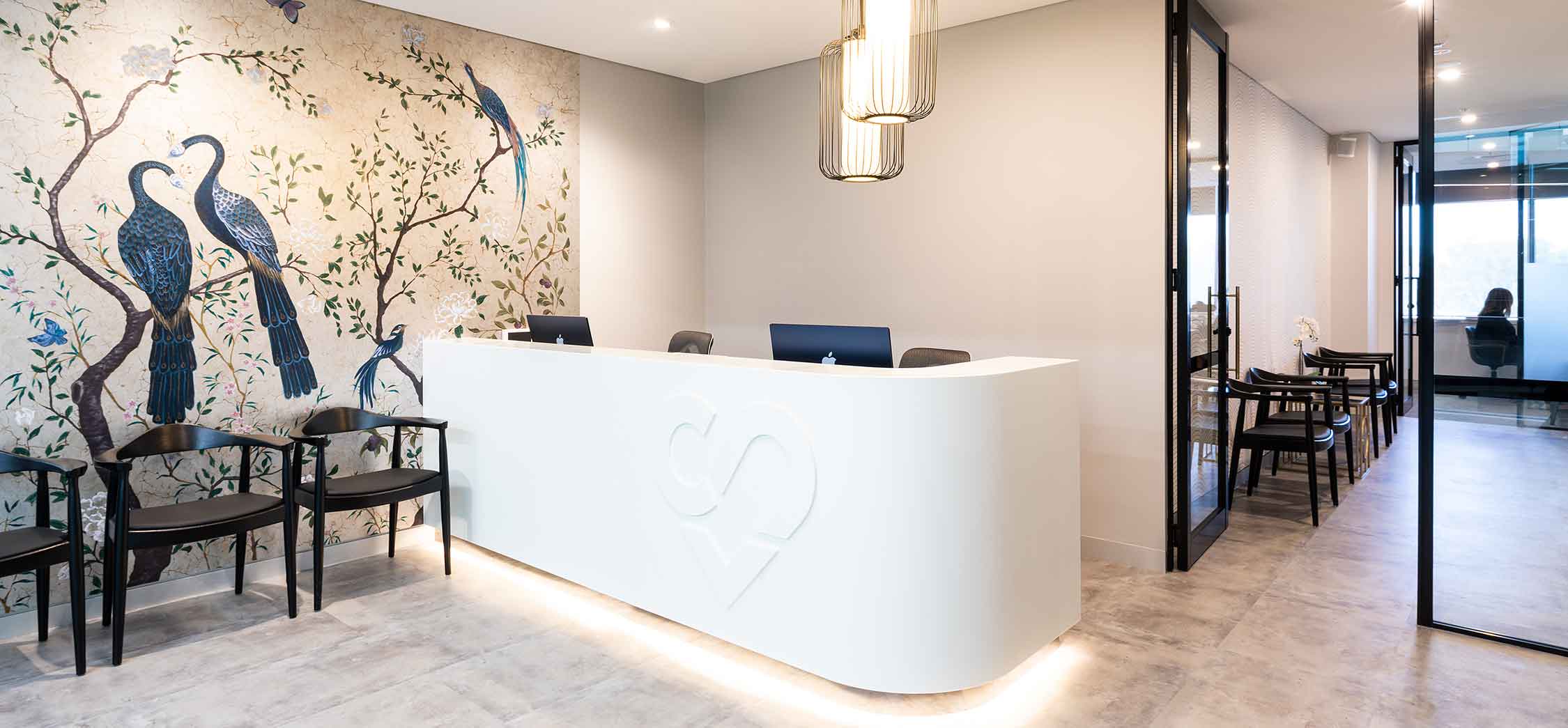
Different healthcare environments have different operational requirements
Each healthcare sector has unique workflow, compliance and patient experience considerations. A successful healthcare fitout should align with the operational needs of both practitioners and patients.
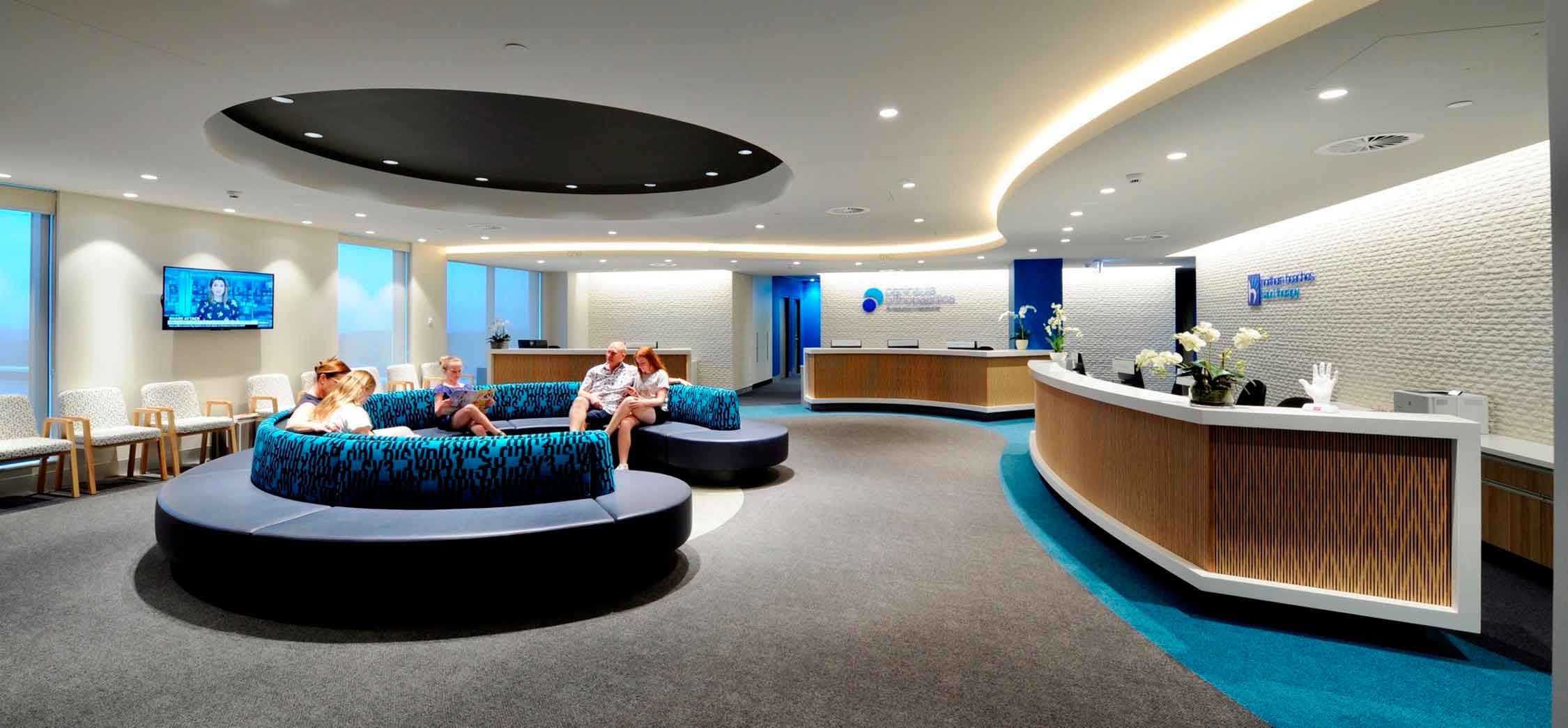
Medical and GP Clinics
Medical and GP clinic fitouts often prioritise:
- efficient patient movement
- reception and waiting room workflow
- consultation and treatment room functionality
- nurse station integration
- accessibility compliance
- infection control requirements
Well-planned clinic layouts can improve operational efficiency, patient privacy and practitioner productivity.
Specialist Medical Suites
Specialist practices often require a more premium patient experience while maintaining clinical functionality and operational efficiency.
Important considerations may include:
- acoustic privacy
- discreet patient movement
- specialist equipment integration
- consultation and treatment room design
- practitioner workflow
- premium healthcare finishes
Allied Health Clinics
Allied health fitouts typically focus on creating welcoming, flexible and adaptable treatment environments.
These projects may include:
- physiotherapy clinics
- psychology practices
- chiropractic clinics
- podiatry clinics
- occupational therapy clinics
Common priorities often include:
- flexible treatment spaces
- practitioner comfort
- natural lighting
- adaptable room layouts
- patient comfort and accessibility
How much does a healthcare fitout cost?
Healthcare fitout costs in Sydney typically range from approximately $1,000 to $4,000+ per square metre, depending on the complexity of the project and the type of healthcare environment.
Factors that can influence healthcare fitout costs include:
- clinic size and layout
- compliance requirements
- plumbing and electrical upgrades
- specialist medical equipment integration
- accessibility requirements
- infection control measures
- ventilation and air-conditioning upgrades
- level of finishes and joinery
- certification and approval requirements
Healthcare fitouts are generally more complex than standard office fitouts due to the additional operational, compliance and infrastructure requirements involved.
Early planning and accurate project scoping can help minimise unexpected costs and reduce variations during construction.
How long does a healthcare fitout take?
Most healthcare fitout projects take approximately 8 to 20+ weeks, depending on the size, complexity and approval requirements of the project.
Healthcare fitout timelines are commonly influenced by:
- project size and scope
- council and authority approvals
- construction complexity
- existing building conditions
- specialist medical services requirements
- material and equipment lead times
- compliance and certification requirements
A typical healthcare fitout project may include:
- initial planning and design
- space planning and workflow design
- documentation and approvals
- construction and services installation
- compliance certification
- final commissioning and handover
Early planning and accurate project scoping can help minimise delays and improve construction efficiency.
Frequently Asked Questions
What is the difference between a healthcare fitout and a commercial office fitout?
Healthcare fitouts are more complex than standard office fitouts because they require healthcare compliance, infection control measures, specialised medical infrastructure and carefully planned clinical workflows.
How early should I start planning a medical fitout?
Healthcare fitout planning should ideally begin several months before lease commencement or construction works to allow sufficient time for workflow planning, budgeting, authority approvals and specialist services coordination. Early planning can help reduce delays, improve project efficiency and minimise costly design changes later in the fitout process.
Can an existing office space be converted into a medical clinic?
Yes, many existing office spaces can be converted into medical or healthcare clinics, however additional planning and building upgrades are often required. Depending on the type of healthcare practice, this may include accessibility compliance, plumbing and electrical upgrades, specialist ventilation, infection control measures and modifications to support efficient patient flow, practitioner workflow and clinical operations.
What are the biggest causes of healthcare fitout budget blowouts?
Common causes of healthcare fitout cost overruns include incomplete project planning, hidden building conditions, scope changes during construction, delayed authority approvals and underestimated services or infrastructure requirements. Detailed planning, early site investigations and accurate project scoping can help reduce unexpected costs and construction delays.
Talk to us today about how we can find the best approach to suit your new workspace and objectives.